
Modesty at work in Sweden rewards insiders who already know how to signal status
Studies of Swedish workplaces found that employees can face an invisible career barrier when they do not actively communicate their commitment and results.
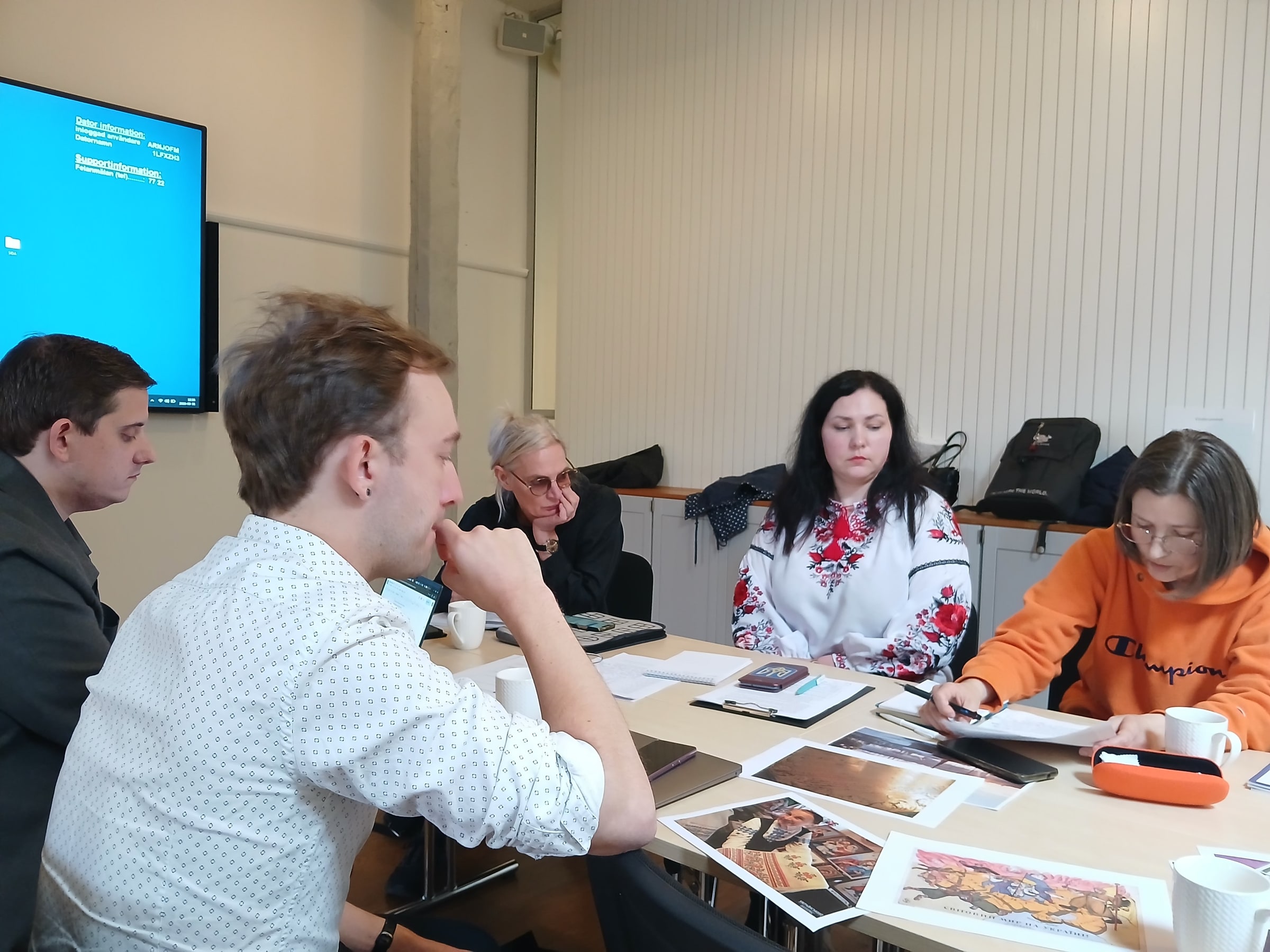
Employees who wait for good work to speak for itself can be overlooked in Swedish workplaces. Their colleagues may know how to share credit while making sure the manager notices their contribution.
Studies of workplace self-presentation have found that appearing modest can improve reputation and performance ratings. Modesty predicted career success when it was paired with political skill. Modesty alone was not the whole advantage.
Insiders know how to share credit while making an achievement visible, who needs to hear about it and when to speak. They may brief a manager before a meeting, connect their work to a team target or let a senior colleague repeat the result. None of this sounds like boasting. It still tells the organisation who should be trusted with more responsibility.
The newcomer may hear only one rule: do not brag. They wait for good work to speak for itself, avoid naming their contribution and discover that a colleague with better relationships has become the obvious promotion candidate.
An interview study involving Swedish and British managers found that employees who did not actively communicate commitment could meet an invisible career barrier. The point is not that every Swedish office operates identically, or that managers deliberately exclude outsiders. It is that employees still signal status, only in ways outsiders may not recognise.
Managers can make that grammar less exclusive. Publish promotion criteria. Record who delivered which result. Ask every employee for evidence of impact during reviews, not only the people who volunteer it. Explain how project leads and stretch assignments are chosen.
Employees can also make work visible without performing confidence: state the problem, the action taken and the result, then name collaborators. Credit should follow evidence. Nobody should have to decode an unwritten social rule before the organisation notices work it already depends on.

DailySweden
DailySweden's desk of editors, reporters, researchers and investigative journalists. We bring readers factual, truthful and objective reporting on the issues that matter to them.
Contact the editorial desk ›