At 39, Messi showed again why he is football’s greatest ever
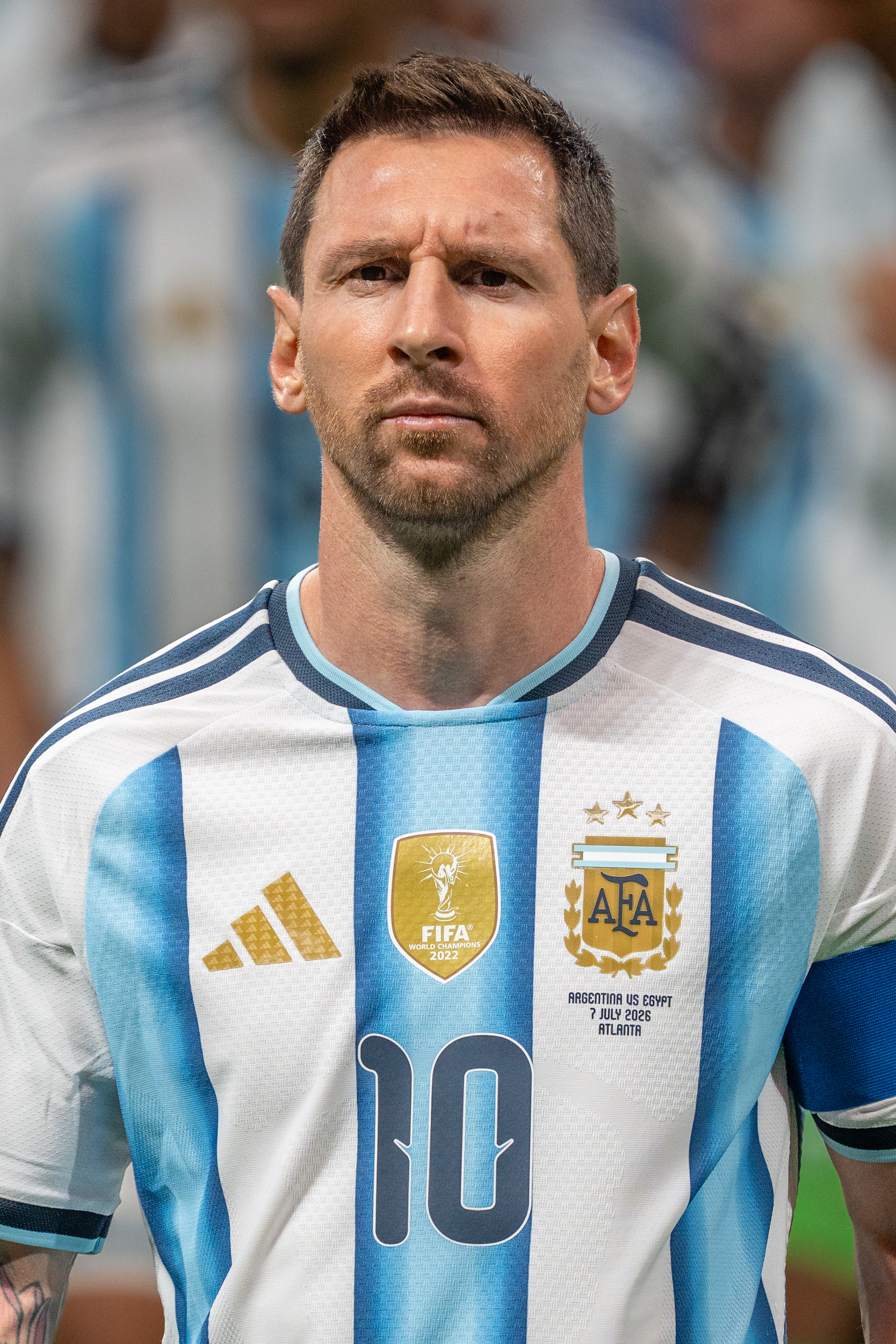
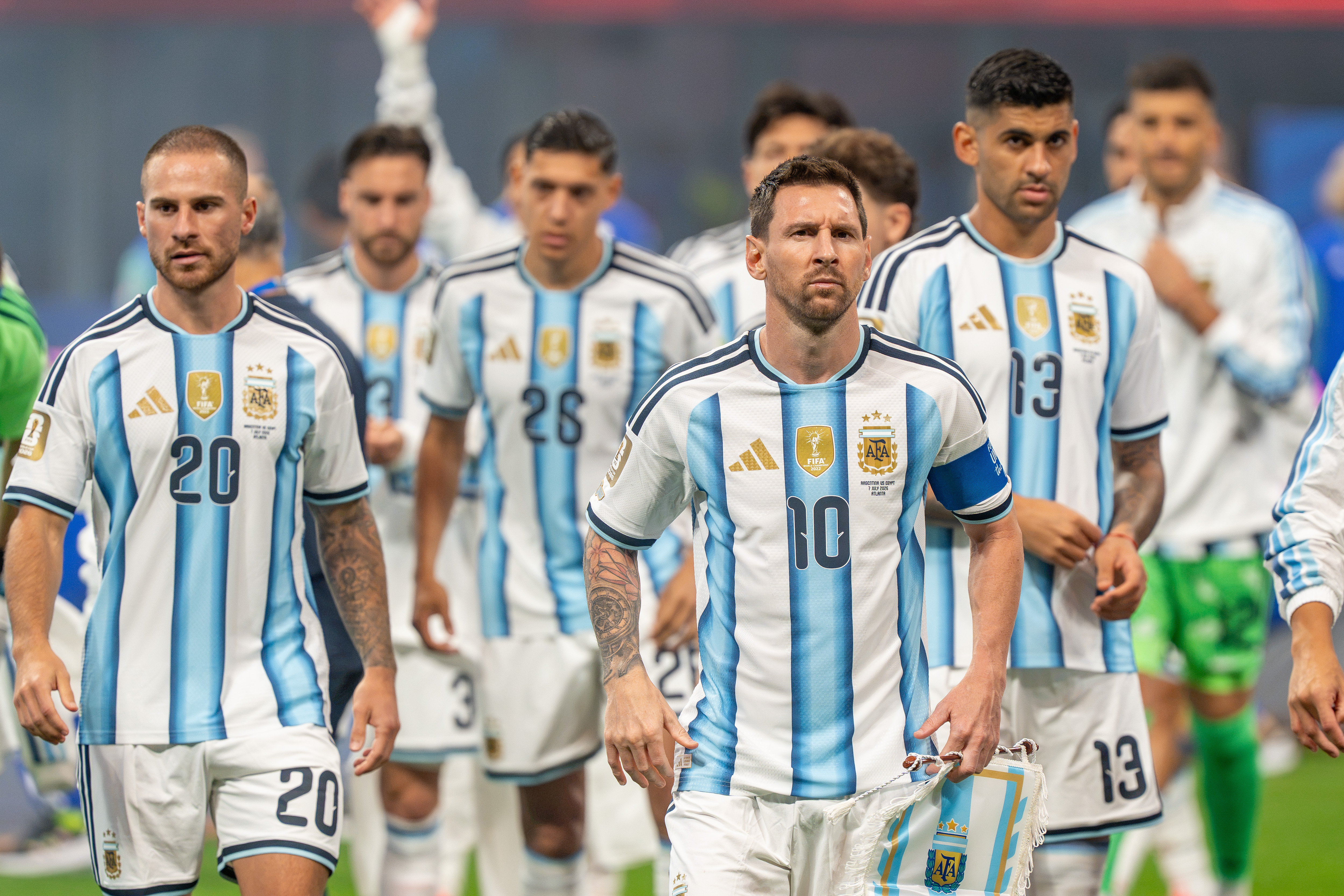
The greatest-ever argument in football normally collapses into nostalgia. Different eras, different rules and different demands leave supporters defending the player who first made the game feel infinite. Lionel Messi cannot settle that argument as an objective fact. At 39, however, he keeps making every alternative feel harder to sustain.
Messi did not score in Argentina’s 2–1 World Cup semi-final victory over England. He did something more revealing. With his team trailing after 84 minutes, he created both goals that turned defeat into a place in the final. The first assist was a measured pass to Enzo Fernández after a short corner. Fernández still had to produce a magnificent finish from outside the area, but Messi had drawn England towards him and found the free man.
The winner was even clearer. In stoppage time, Messi received the ball on the right, took the space England had surrendered and delivered a precise cross across goal. Lautaro Martínez, introduced only minutes earlier, powered his header past Jordan Pickford. Messi had not dominated the match through constant spectacle. He had read its final moments better than anyone else.
That distinction matters. Longevity is often praised as if merely remaining on a team sheet were an achievement equal to influencing a World Cup semi-final. Messi is not being carried through a farewell tour. He has scored eight goals at this tournament and now has four assists. FIFA had already confirmed that his goals in North America made him the leading scorer in men’s World Cup history. The two assists against England moved him ahead of Kylian Mbappé in the Golden Boot race on the assists tiebreaker.
The case for Messi is not simply an accumulation of records, medals and individual awards. It is the range of solutions he has carried across two decades. The explosive dribbler became the supreme scorer. The scorer became a playmaker who controls space and tempo. Now, when his legs cannot command every minute as they once did, his judgment can still decide the minutes that matter most.
Pelé, Diego Maradona and Cristiano Ronaldo each have claims rooted in achievements that should not be diminished to flatter another player. Comparing them across generations is inevitably subjective. Yet the strongest counterargument to Messi used to be that international football had denied him the defining triumphs his club career promised. A Copa América and the 2022 World Cup removed that objection. At 39, he is now one match from leading Argentina to consecutive world titles.
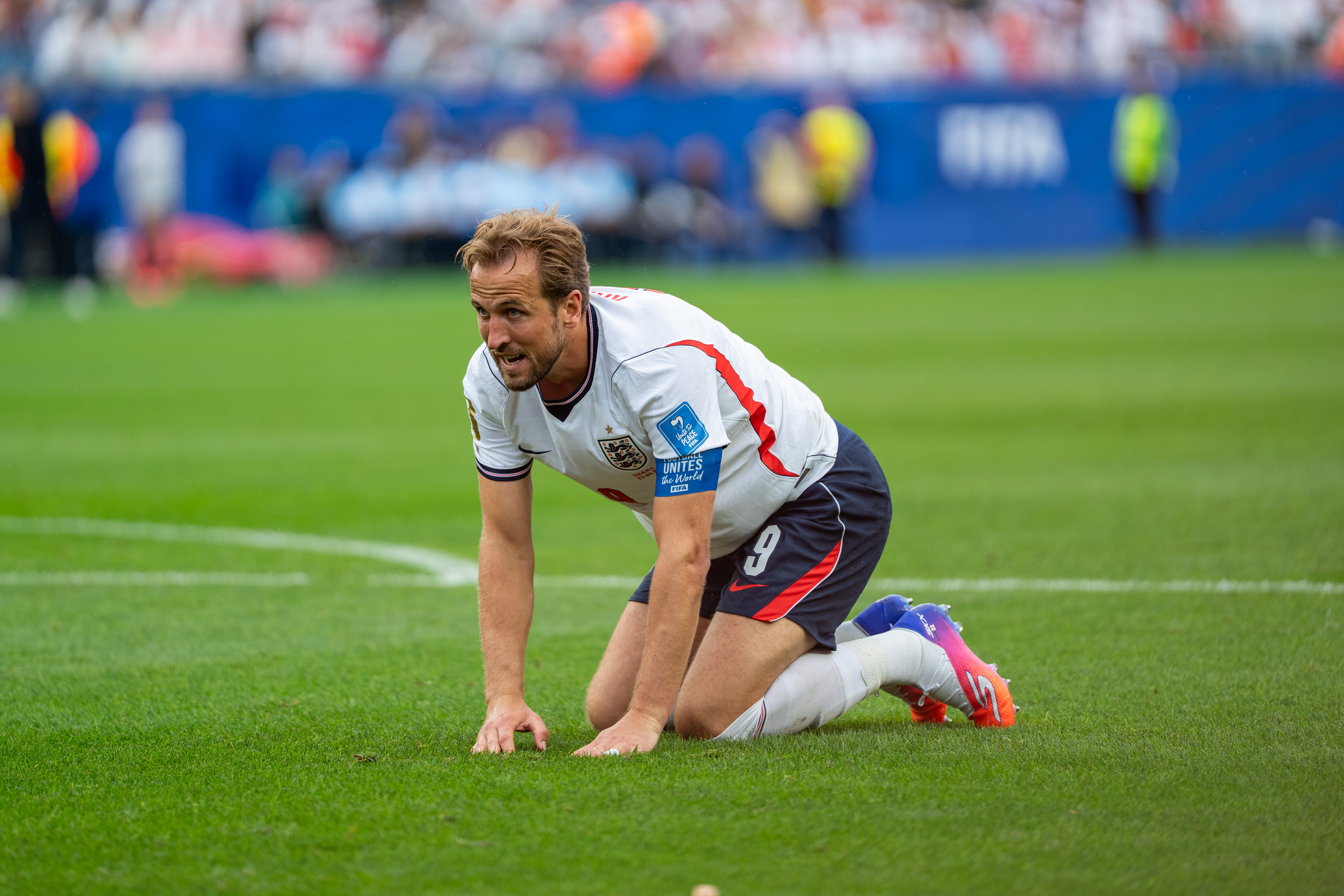
England knew where the danger was. Jordan Pickford had spoken before the match about Messi’s enduring quality, and Thomas Tuchel filled the closing stages with defenders. Knowledge did not become prevention. When the game narrowed to two decisions, Messi made both correctly.
Greatness is peak, duration, adaptation and consequence. Messi has supplied all four. The final against Spain may give him another trophy or a painful last defeat. Neither result will erase what Atlanta showed: the oldest player carrying the heaviest expectations remained the clearest thinker on the pitch. That is why, for us, Lionel Messi is the greatest footballer the game has produced.

DailySweden
DailySweden's desk of editors, reporters, researchers and investigative journalists. We bring readers factual, truthful and objective reporting on the issues that matter to them.
Contact the editorial desk ›