Argentina’s calm in crisis is the mark of champions
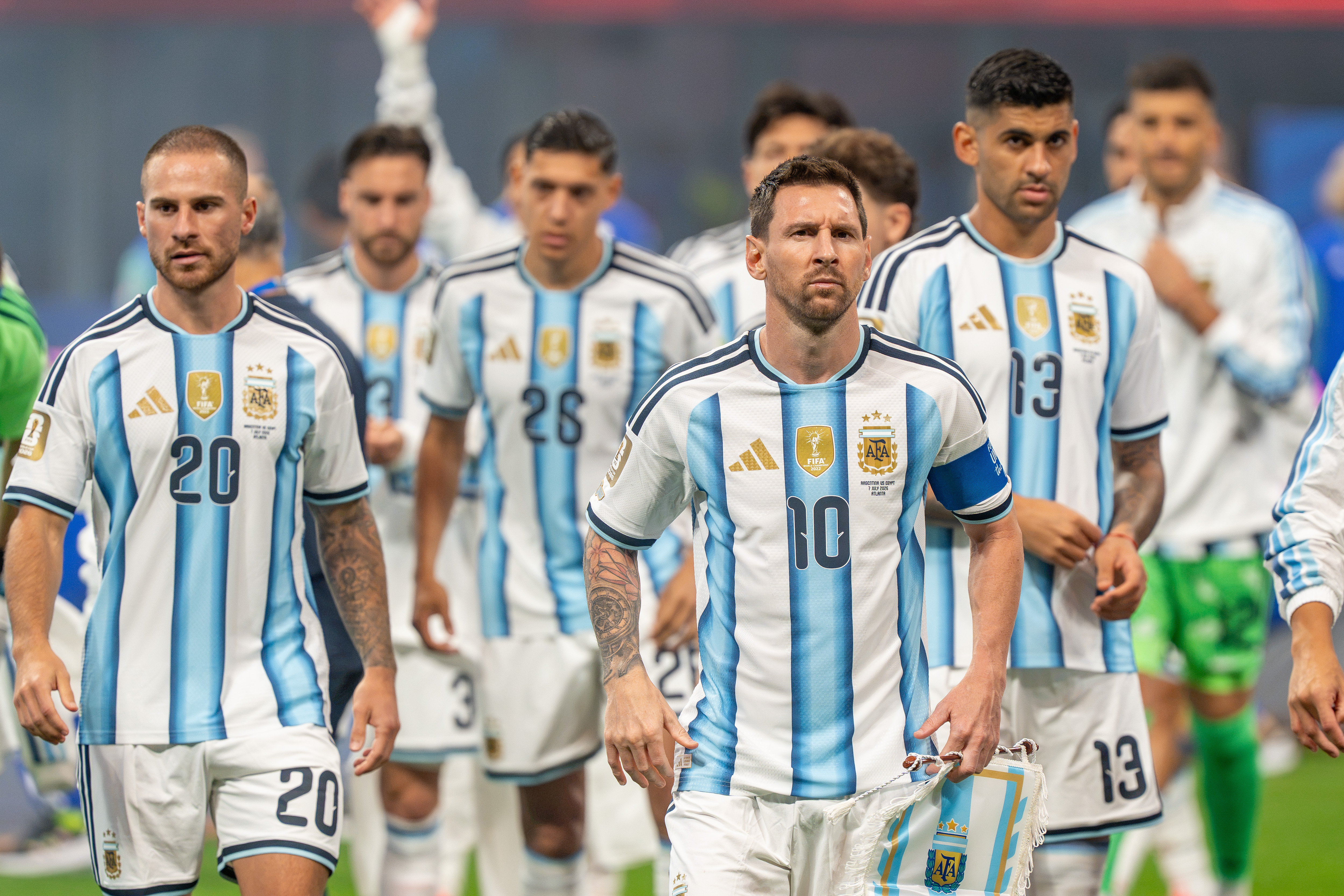
Argentina’s most dangerous quality is not the eight goals Lionel Messi has scored at this World Cup. It is not even the late passes with which he dismantled England. The defending champions possess something more transferable across a tournament: permission to lose without playing as if defeat would destroy them.
That sounds soft until a team is 1–0 down in a semi-final with five minutes left. England treated its lead as an object to be guarded. Argentina treated the score as information. Lionel Scaloni sent on Nicolás González for a midfielder, refreshed three positions at once and then replaced defender Nicolás Tagliafico with striker Lautaro Martínez. The winning header came from the substitute whose presence declared that extra time was not the only acceptable escape.
This was not a single burst of heroism. Against Cabo Verde, Argentina needed extra time and a 111th-minute own goal forced by a Messi corner. Against Egypt, the champions trailed 2–0 in the 79th minute and scored three times before the final whistle. Switzerland equalised in the quarter-final and took the game beyond 90 minutes before Argentina won 3–1. England then led until the 85th minute and still lost in regulation time.
FIFA described resilience as Argentina’s greatest weapon before the semi-final. Scaloni offered a more interesting explanation after the comeback against Egypt. Having already won the World Cup, he said, his players no longer carried history as a burden. He argued that accepting the possibility of going out allowed them to keep playing calmly and do what the match required. It was not indifference to defeat. It was freedom from treating defeat as personal annihilation.
That freedom is visible in decisions. Enzo Fernández did not choose a safe recycling pass after Messi found him at the edge of the area; he shot. Messi did not force a heroic attempt through three defenders in stoppage time; he waited, looked across goal and crossed. Martínez did not remain attached to a centre-back; he found the back post. Calm did not reduce ambition. It made the ambitious action clearer.
Argentina’s record should not be romanticised. Requiring rescues against Cabo Verde, Egypt, Switzerland and England also reveals vulnerability. The champions have conceded avoidable goals, lost control for long periods and relied on moments that cannot be ordered on demand. Spain, their opponent in Sunday’s final, reached it after recording a sixth clean sheet in seven matches. A team that repeatedly approaches the edge will eventually find no ground beneath it.
There is also a material advantage behind the psychology. Scaloni can introduce players of Martínez’s quality from the bench. Messi’s imagination turns ordinary possession into a chance. Emiliano Martínez gives the team confidence behind the ball. Resilience is easier to display when elite talent keeps offering routes back into a contest.
But talent alone does not explain why Argentina continue to take those routes while opponents narrow their choices. The players share a recent memory of winning together, a coach who does not confuse control with caution and a captain who still looks for the useful action rather than the grand gesture. They can absorb the possibility of failure without becoming passive.
The final against Spain will test whether this high-wire calm can survive a more controlled opponent. Whatever happens, Argentina have already shown the difference between champions and teams haunted by the idea of becoming champions. One group fears what defeat will say about them. The other keeps asking what the next ball requires.

DailySweden
DailySweden's desk of editors, reporters, researchers and investigative journalists. We bring readers factual, truthful and objective reporting on the issues that matter to them.
Contact the editorial desk ›