
Kebnekaise hikers face more rockfalls as permafrost thaws
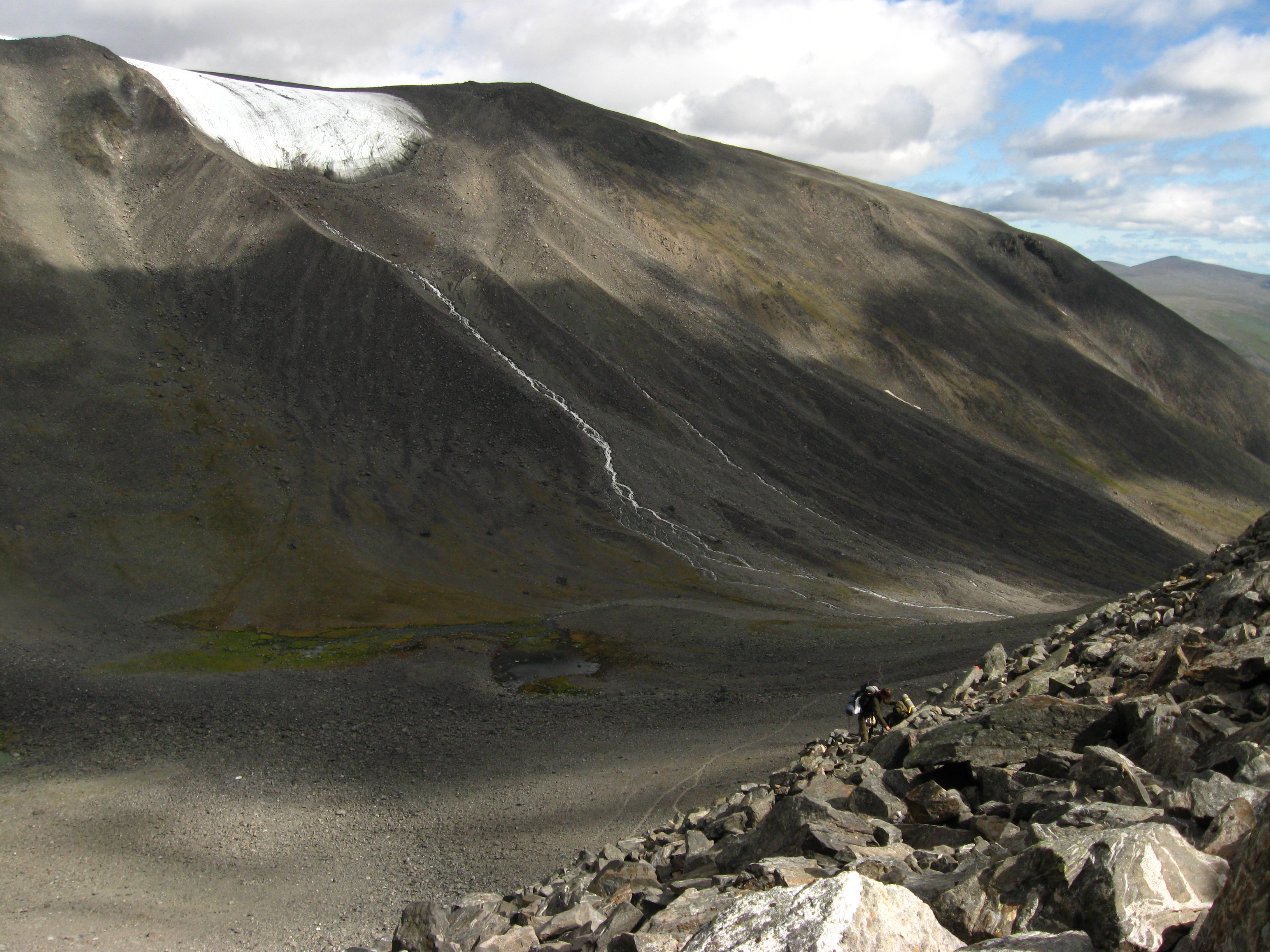
People planning a Kebnekaise ascent now face a growing rockfall hazard as thawing permafrost leaves parts of Sweden's highest mountain less stable.
Mountain guide Martin Lundberg told SVT that guides sometimes have to shelter behind rocks until falling stones pass. He has climbed Kebnekaise 259 times since 1994 and says the mountain environment has become riskier for hikers.
Nina Kirchner, a glaciologist and head of Tarfala Research Station, says rising temperatures thaw permafrost that helps hold the ground in place. Heavy rain can then combine with the thaw to produce more frequent, larger rockfalls in places where they were not previously seen.
The practical effect is already visible in STF's guidance. For summer 2026, its guided summit tours run only via Västra leden. Guided trips on the shorter Östra leden remain paused because of increased risks from rockfall, glacier crevasses and changed snow and ice conditions.
That is not a general closure, but it changes the guided option and makes route choice, equipment, weather checks and advice from the mountain station more important. STF describes Västra leden as an 18-kilometre return trip taking 10 to 15 hours across steep, uneven and very rocky terrain. Long-running Stockholm University measurements also show the mountain's glaciers continuing to lose mass.

DailySweden
DailySweden's desk of editors, reporters, researchers and investigative journalists. We bring readers factual, truthful and objective reporting on the issues that matter to them.
Contact the editorial desk ›