
In Sweden, everyone can agree without anyone taking responsibility
A survey of 410 employees found that workplace consensus improved commitment but also produced unclear instructions and uncertainty about responsibility.
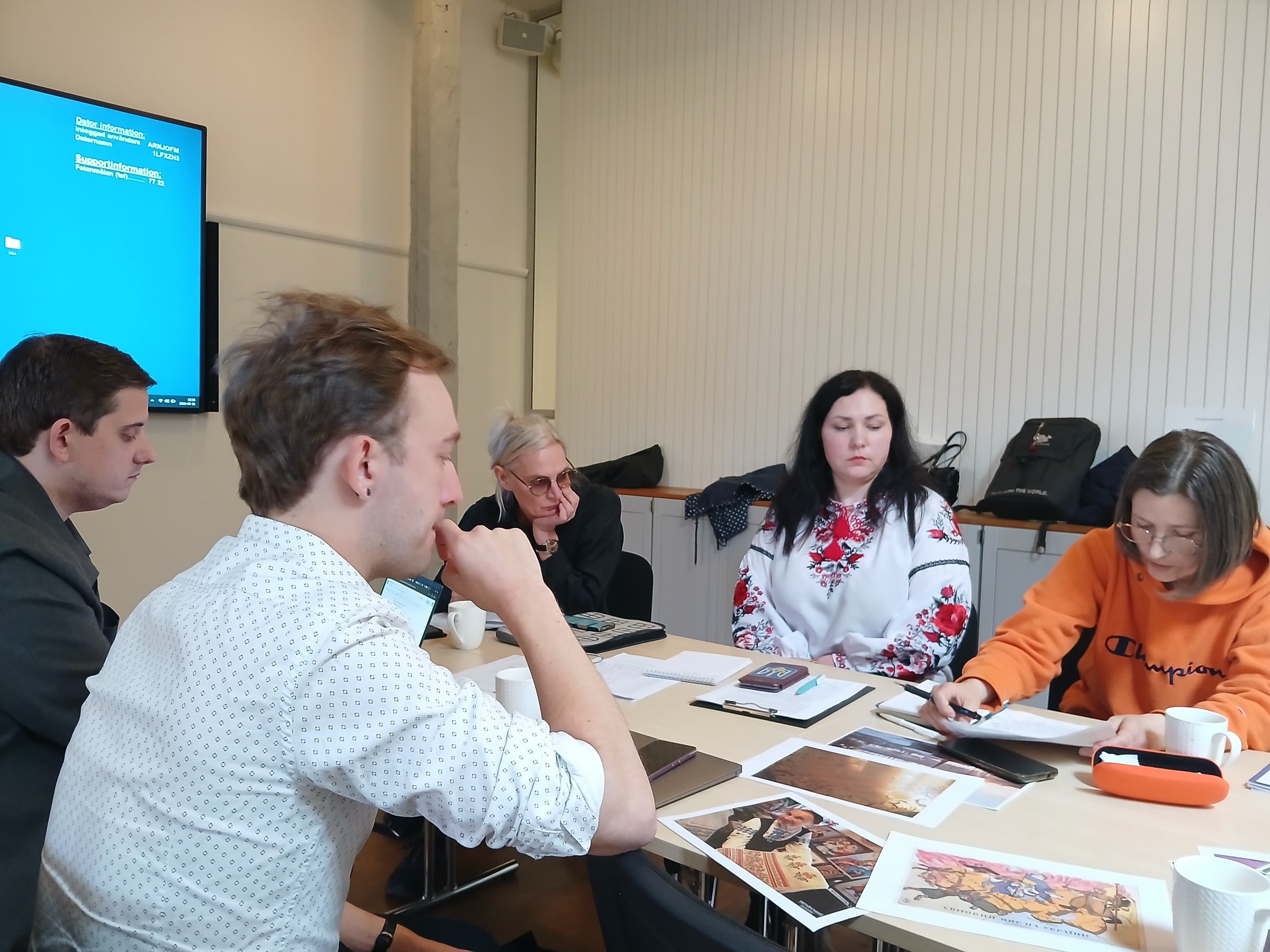
In a survey of 410 employees, Swedish workplace consensus brought stronger commitment and better ideas. It also brought slow decisions, unclear instructions and uncertainty about who was responsible.
People are more likely to support change when they have helped shape it. Problems begin when agreement is required at every level, managers give employees freedom without enough information, or nobody records who will carry out the decision. The survey respondents described inertia, unclear instructions and uncertainty about responsibility. Consultation was not the problem. Teams struggled when broad agreement replaced a clear decision, a named owner and enough information to act with confidence.
That is not an argument for the loudest manager in the room. Research on shared leadership defines it as managers sharing tasks and power while taking mutual responsibility. A group can contribute to a decision without making every member equally accountable for delivering it.
The failure usually appears after the meeting. Everyone supported the direction, but nobody recorded the decision. Several people believed somebody else would take the next step. A deadline passed without conflict because no person had accepted it.
International employees can be especially exposed. They may wait for an explicit instruction that colleagues understand is implied, or mistake an invitation to discuss for authority to decide. Later, the same hesitation can be judged as a lack of initiative.
Four questions should have plain answers before a meeting ends. Who decides? Who takes the next action? By when? Who answers if it fails? If nobody can answer, the group may have reached a common mood rather than a decision.
The cure is visible ownership: decisions written down, one accountable lead and permission to challenge silence before it becomes delay. Consensus can decide where a team is going. A named person still has to move the work forward.

DailySweden
DailySweden's desk of editors, reporters, researchers and investigative journalists. We bring readers factual, truthful and objective reporting on the issues that matter to them.
Contact the editorial desk ›