
Europe’s migrant arrivals are falling because its borders now extend into North Africa
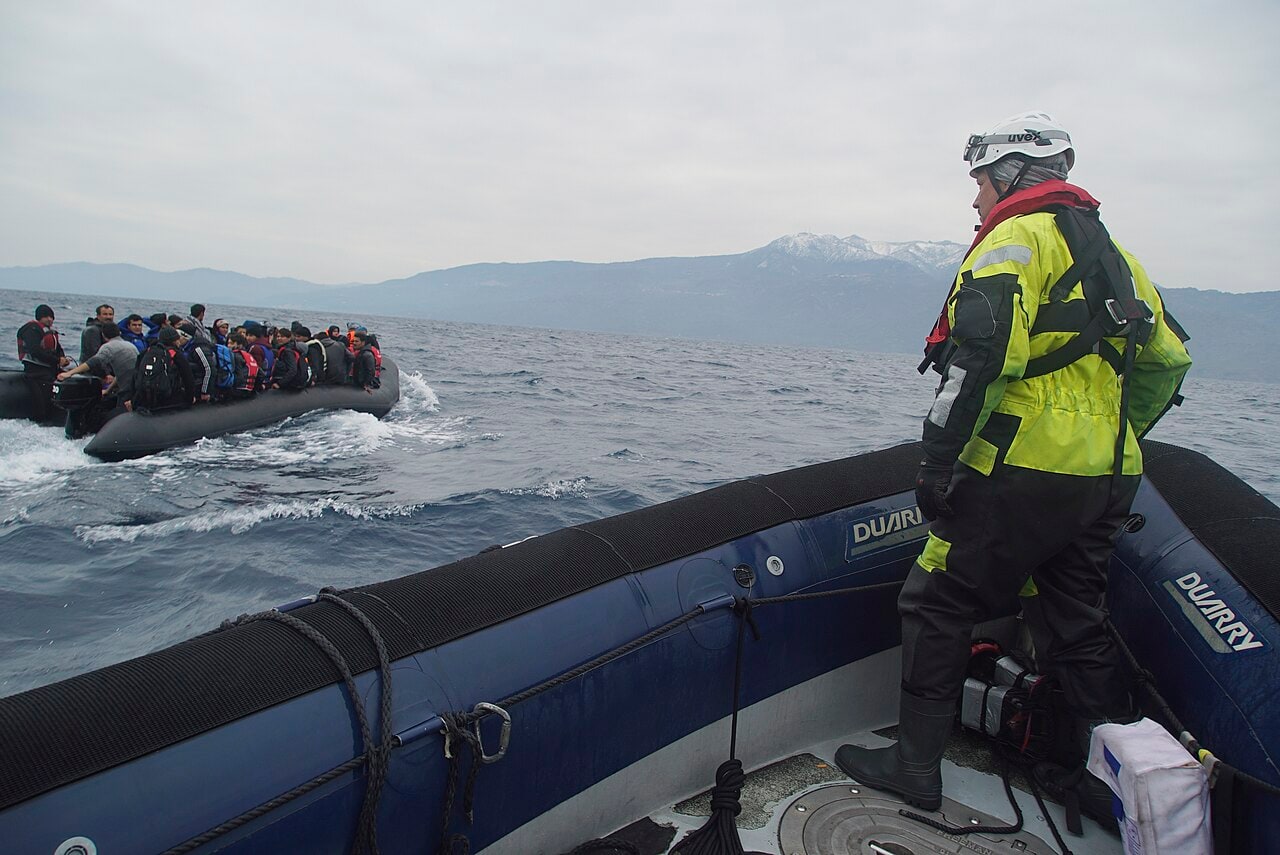
Europe is recording historically low irregular arrivals this year, but researchers and rights groups say the fall reflects people being stopped in North Africa, not an end to displacement.
SVT watched Frontex coordinate a distress alert for a rubber boat carrying 35 people in the Mediterranean. The operation unfolded as the European Union’s new migration pact introduced common screening at its external borders.
An International Organization for Migration spokesperson told SVT that closer cooperation with partner countries was a major reason for the decline. The EU has funded migration controls in Libya since 2017 and Tunisia since 2023.
Amnesty International says Tunisia has carried out collective expulsions and other abuses against refugees and migrants. In Libya, it has documented arbitrary detention, torture and forced labour.
Frontex fundamental-rights officer Jonas Grimheden told SVT that EU money should not support activities that risk violating fundamental rights.
The numbers therefore show where control happens, not simply how many people want to leave. Europe’s border policy increasingly begins before people reach Europe.

DailySweden
DailySweden's desk of editors, reporters, researchers and investigative journalists. We bring readers factual, truthful and objective reporting on the issues that matter to them.
Contact the editorial desk ›