FRIDAY 28 AUGUST· STOCKHOLM · THE DAY IN 5 STORIES

Crime became Sweden's top worry, but refugee opposition stopped rising

Ten years transformed the public agenda, while resistance to refugee reception levelled off after a post-2015 jump.
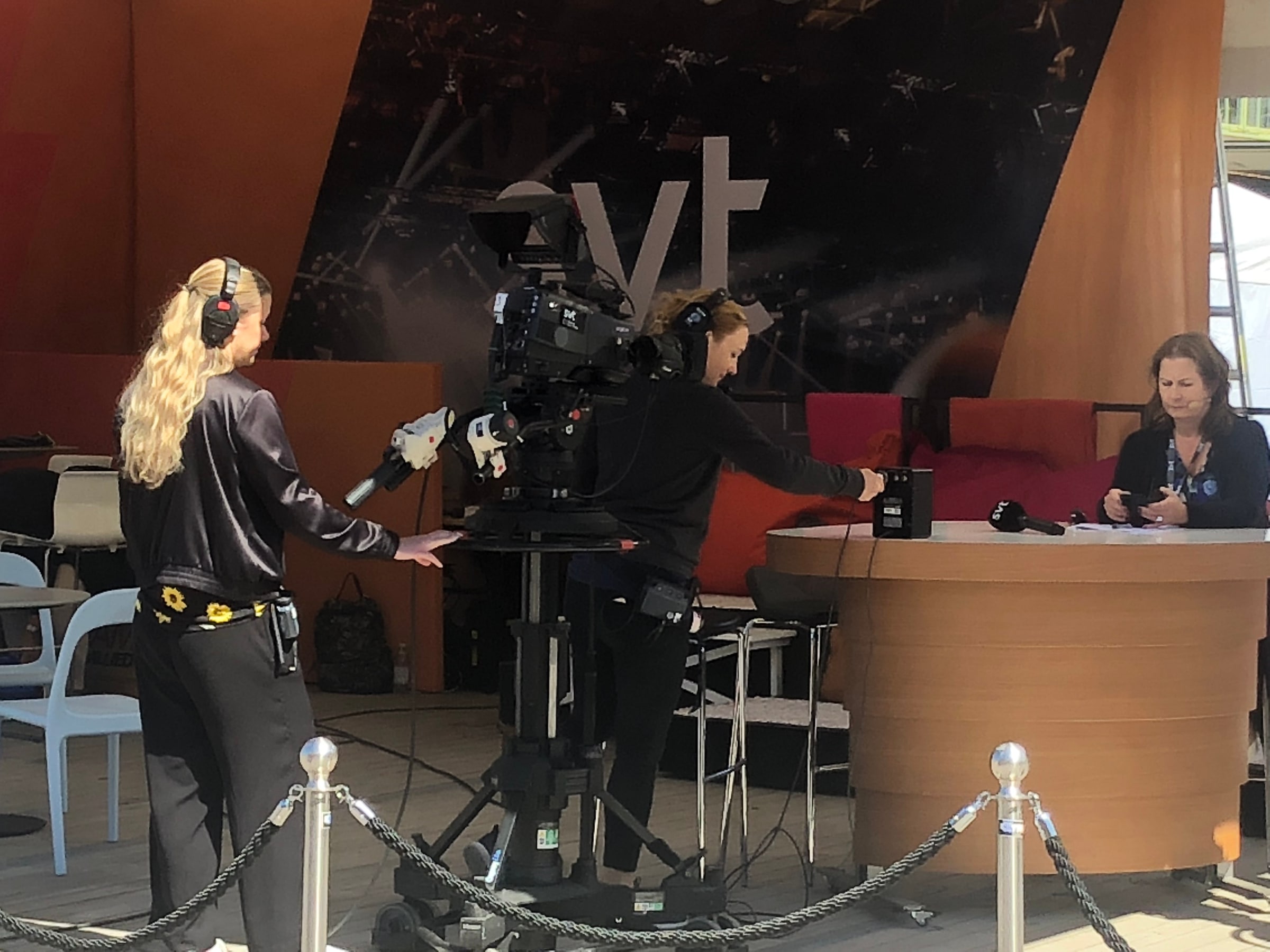
Two SVT camera operators prepare a television studio at Almedalen Week in Visby.
SVT staff prepare the broadcaster's studio at Almedalen Week in Visby in July 2018. The archive photograph does not show the SOM studies, their respondents or a discussion of crime and refugee reception. Image: Jonatan Svensson Glad / Wikimedia Commons / CC BY-SA 2.0

Where shootings rose, refugee attitudes hardened slightly, and more among heavy news users. The Swedish study does not prove cause and effect, but it shows how crime coverage can widen into migration politics.

Listen to this articleNarrated - 9:12

Crime rose from tenth place to the clear top of Sweden's list of important social problems over a decade, the SOM Institute reported in 2025. But its long-running refugee measure moved differently.

Marie Demker's SOM analysis found support for accepting fewer refugees jumped after 2015, then remained relatively stable from 2016 through 2024. In 2024, 56 percent backed taking fewer refugees: 62 percent of men and 51 percent of women.

That plateau does not mean gun violence leaves migration attitudes untouched. An Uppsala master's thesis matched county-level shootings with national SOM responses from 2017 to 2023 and found a weak but meaningful link between more local gun violence and more negative views of refugee reception.

The association was stronger among people with high news consumption. The study argues that media exposure can amplify a perceived connection between immigration and shootings, even though its attitude measure asked about refugee intake rather than whether respondents blamed immigrants for crime.

The research cannot show that every shooting changed minds, and the thesis calls refugee reception an imperfect proxy for broader anti-immigrant sentiment. Its sharper finding is about distribution: a nationally stable topline can conceal local movement and a widening effect among the people following the story most closely.

DailySweden logo

DailySweden

DailySweden's desk of editors, reporters, researchers and investigative journalists. We bring readers factual, truthful and objective reporting on the issues that matter to them.

Contact the editorial desk ›
All stories