Ceuta exposed the right's politics of cruelty
More than 80 people died in the Ceuta crisis. Some drowned. Others were crushed in a stampede. The European right met that suffering with malicious glee, turning frightened young people and bodies in the water into campaign material. This shows who they are.
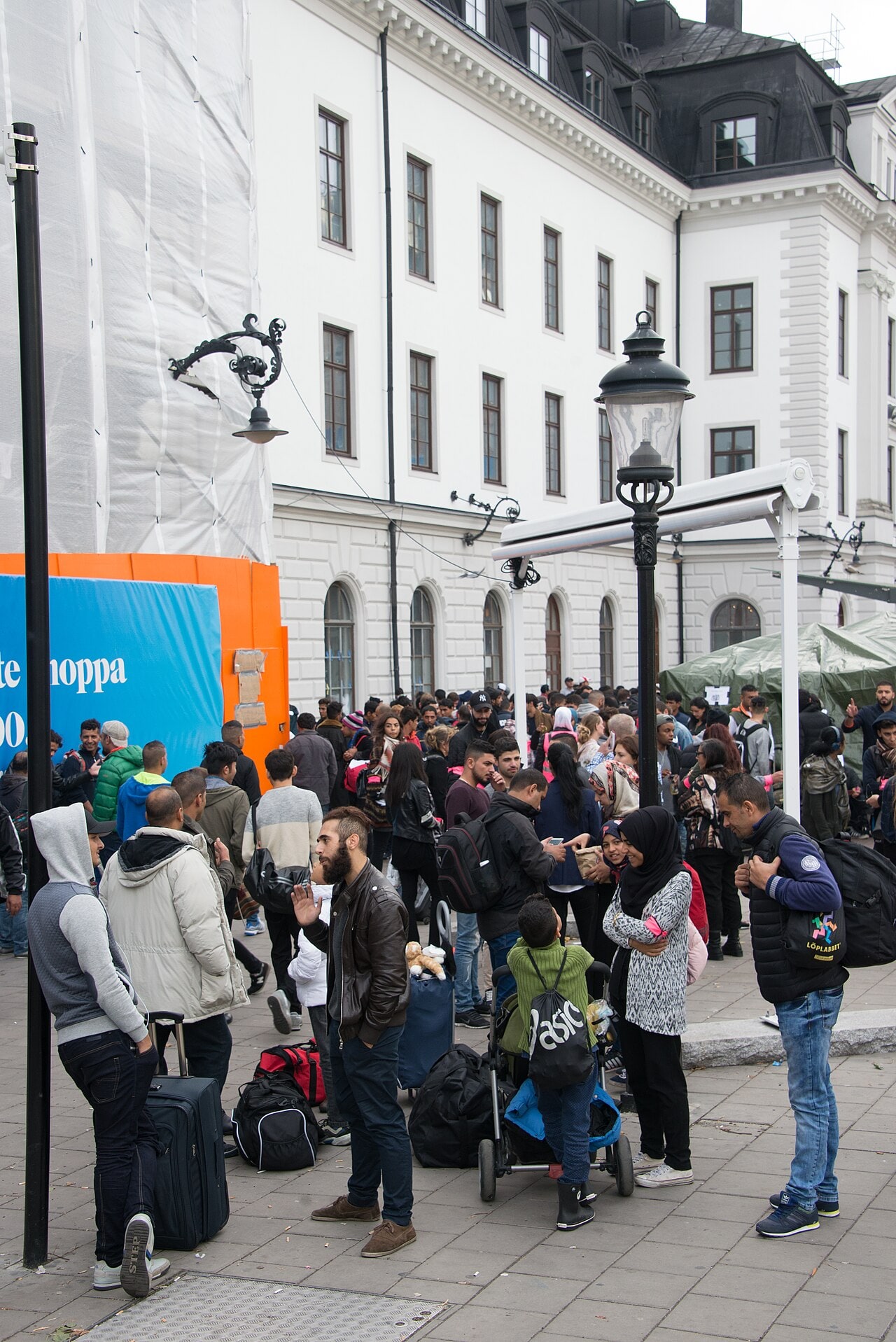
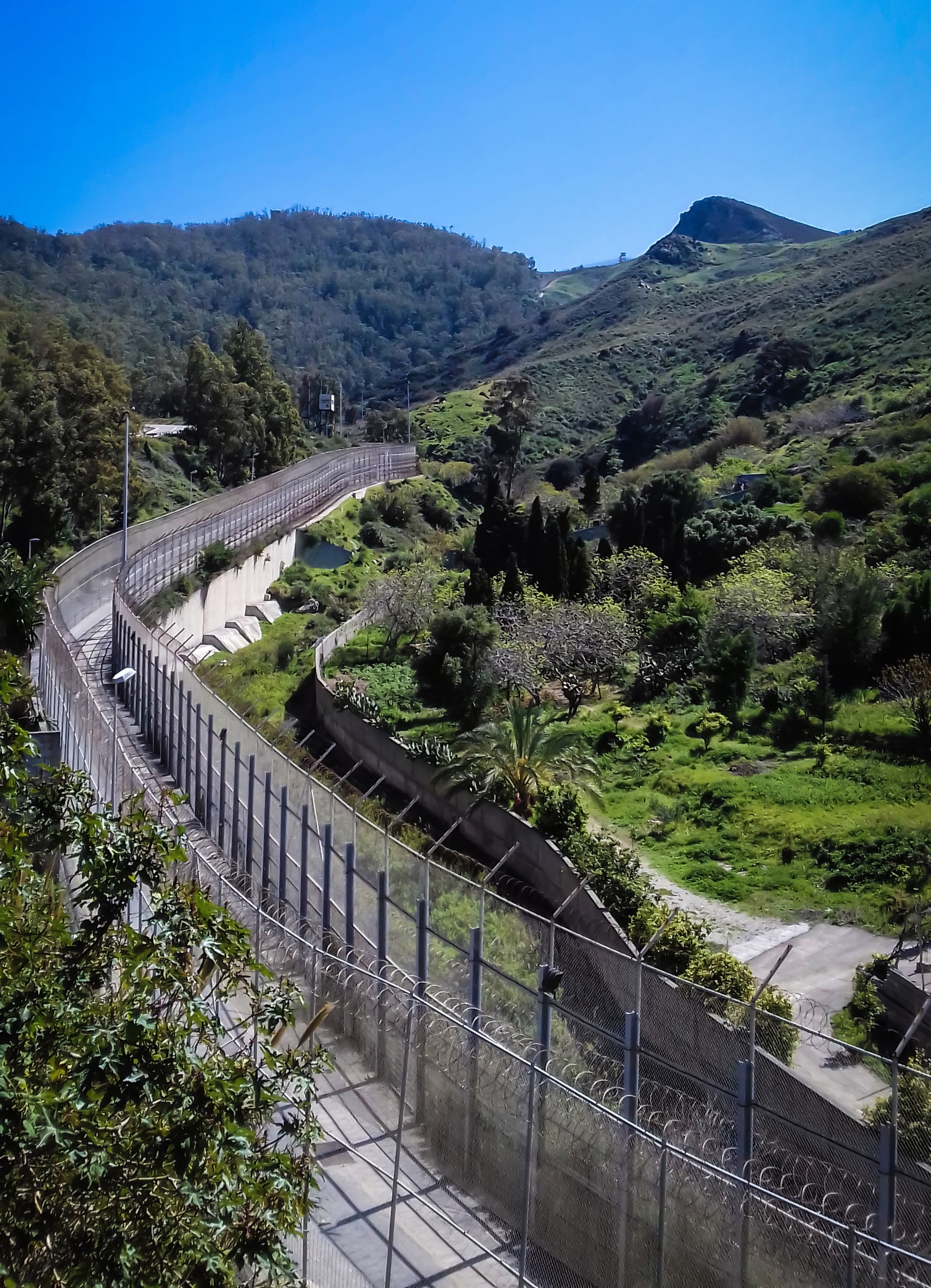
Between 50,000 and 60,000 people reached the Spanish territory from Morocco over two days, according to AP reporting. Many were teenagers or young adults. Most soon returned, some after expulsion and others because Ceuta had too little food, shelter or water. The scale was extraordinary, but the people inside it were not an invading army. They were individuals making dangerous choices under economic pressure, hope and confusion.
Sveriges Radio reported that UNHCR considered misinformation and false promises a major possible cause. Social media posts said the border was open. Videos mapped swimming routes and users tracked coastguard patrols. UNHCR's Annika Sandlund said smugglers exploited confusion around a Spanish court ruling, while a wider UNHCR warning describes how bad actors use false promises of safety, legal routes and work to lure displaced people into danger.
The full chain of responsibility is not established. AP found that it remained unclear who operated many of the accounts, and several returning migrants rejected official claims that trafficking networks organised the crossings. That uncertainty matters. It means politicians should investigate before assigning blame. It does not erase the evidence that false information spread at speed and helped push desperate people towards a lethal border.
The human facts should have produced grief, restraint and an urgent search for answers. Instead, right-wing leaders pounced. Donald Trump blamed Spain's laws and management. An open letter signed by 22 EU leaders called the episode an attack on Europe's migration system. Giorgia Meloni used Ceuta to justify controls on travel from Spain and to promote offshore migrant screening, even though an analyst told AP there was almost no risk of people moving from Ceuta to Italy. This was not sober crisis management. It was political appetite meeting human catastrophe.
There is a serious counterargument. A sudden arrival equivalent to most of Ceuta's population overwhelmed a small city. Governments have duties to secure borders, prevent deaths, protect residents and provide safe reception. Those responsibilities are real. They are also incompatible with exaggeration, collective blame and measures untethered from the actual route people could take. Competence begins with accurate information. Cruel theatre is not competence.
The right's response reveals a political project that needs migrants to appear as a faceless threat. A teenager misled by a video becomes an invader. A drowned person becomes evidence for a slogan. A Spanish city in distress becomes a stage on which distant leaders perform toughness. Once suffering is useful, empathy becomes an obstacle and facts become optional.
Europe should investigate who drove the false claims, require platforms to preserve evidence and fund rapid corrections in the languages people on the move actually use. It should support Ceuta with rescue capacity, humane reception and orderly procedures, while expanding safe legal routes that make smugglers and viral rumours less powerful. Above all, democratic leaders must refuse to build authority from the spectacle of other people's pain. Ceuta demands accountability from border agencies, platforms and governments. It also demands that voters remember who saw death and reached first for applause.

DailySweden
DailySweden's desk of editors, reporters, researchers and investigative journalists. We bring readers factual, truthful and objective reporting on the issues that matter to them.
Contact the editorial desk ›