Bildt points to Morocco after Ceuta mass migrant crossing
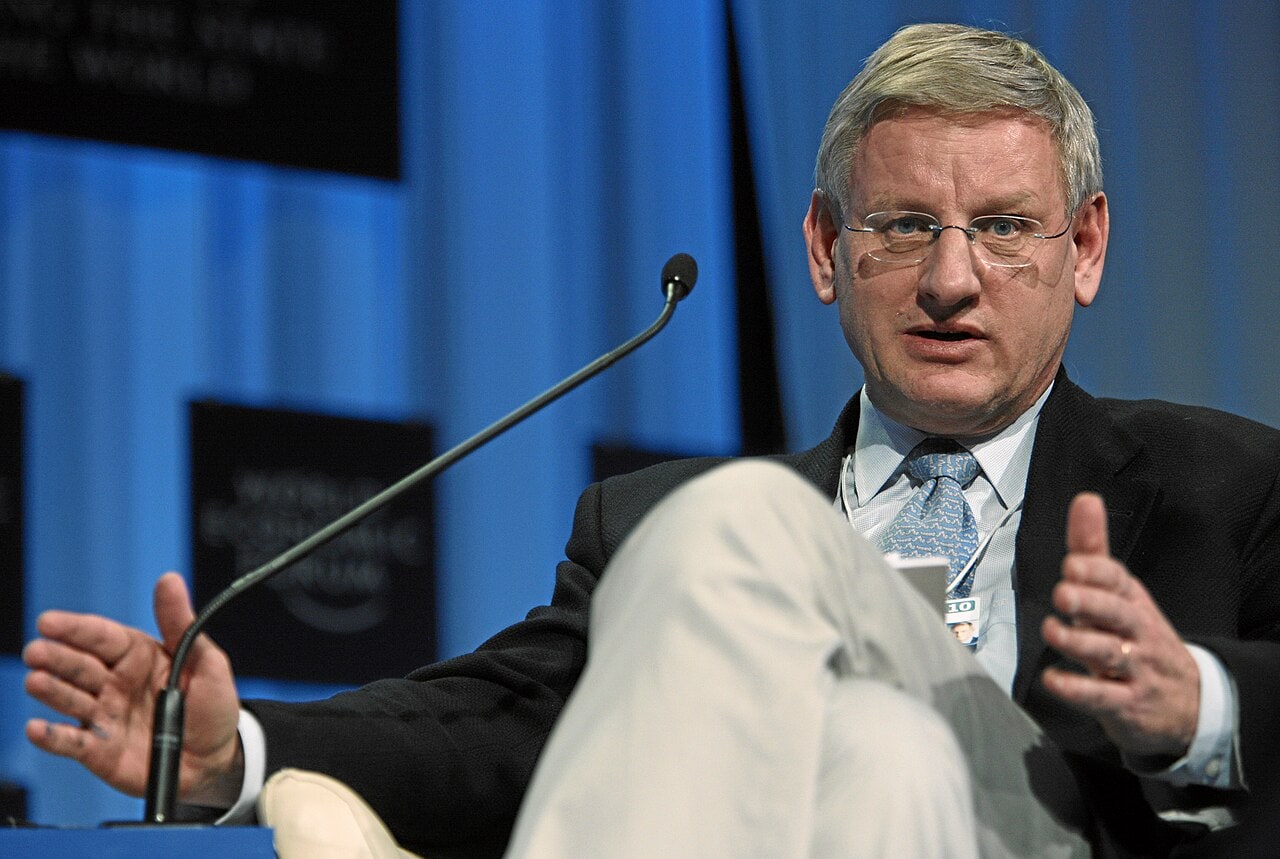
Former Swedish prime minister Carl Bildt says the mass migrant crossing into Ceuta bears signs of Moroccan state involvement, cutting against attempts to blame Spain’s pro-immigration government alone.
“There is much to suggest that Moroccan authorities transported people to the border,” Bildt told Swedish Radio’s Ekot. His assessment follows testimony that people were taken towards Ceuta and encouraged to cross, although the full chain of responsibility remains unproven.
Spanish authorities estimate that 50,000 to 60,000 people entered the territory from Morocco. Most returned within a day, while at least 67 people died. AP witnessed Moroccan gendarmes initially standing aside before security forces later used tear gas, batons and water cannons.
Misinformation also appears to have helped drive the rush. Pedro Sánchez said smugglers distorted a Supreme Court ruling on sea arrivals, while activists in Morocco described online rumours that the border was open. Morocco says the breach was against its wishes.
A Moroccan opposition politician told Le Monde that authorities had clearly let people through and accused Rabat of using migration to embarrass Madrid.
Those accounts make Bildt’s scrutiny of Morocco credible. They do not prove the wider online theory that foreign anti-immigration forces engineered the crossing to remove Sánchez. AP found no evidence for claims of a US or Israeli operation.

DailySweden
DailySweden's desk of editors, reporters, researchers and investigative journalists. We bring readers factual, truthful and objective reporting on the issues that matter to them.
Contact the editorial desk ›