
Swedish inquiry will examine religious radicalisation and institutional infiltration
The government-commissioned inquiry will focus on political Islam and assess effects on integration, public institutions and democratic society.
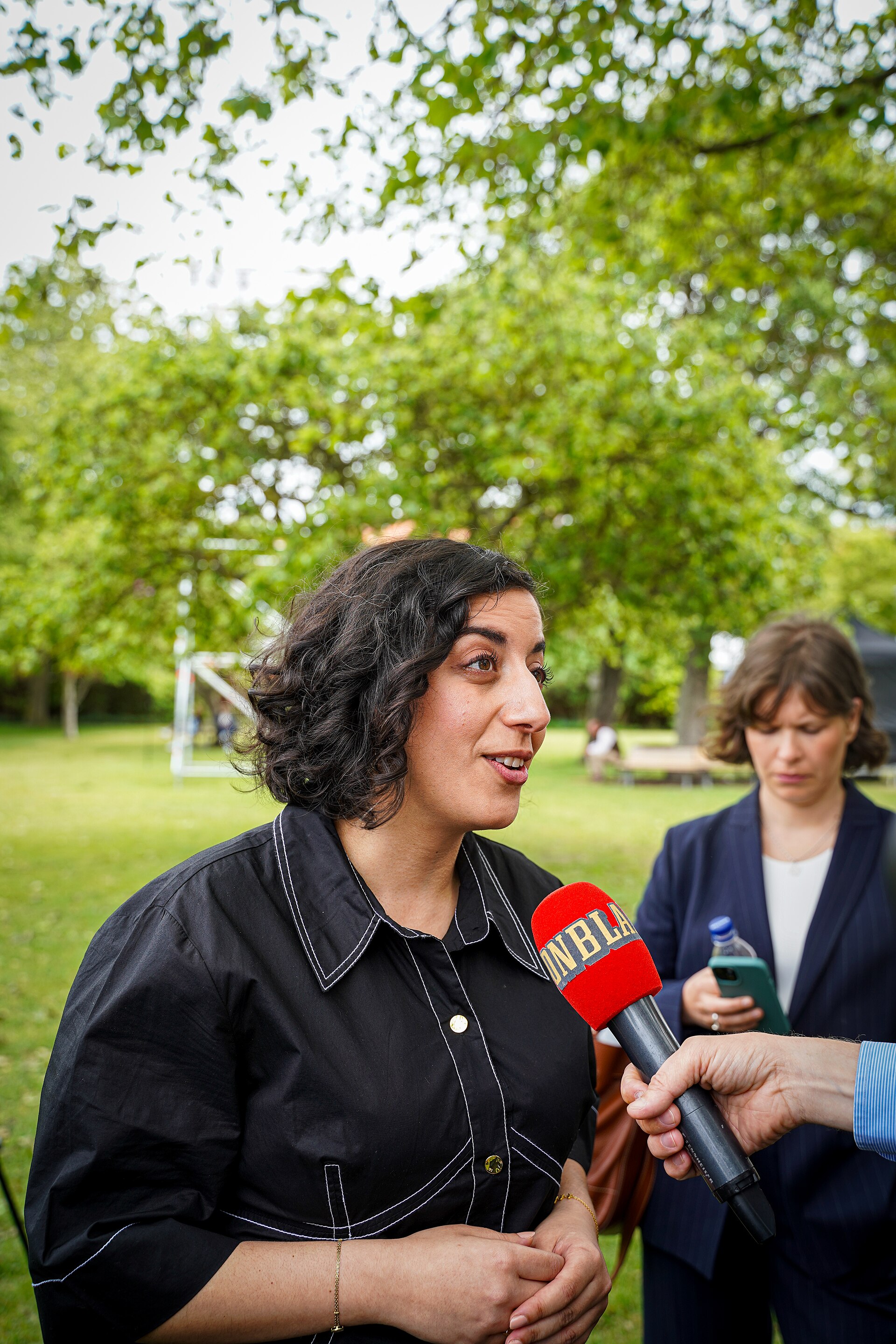
The Swedish government has appointed an inquiry to examine religious radicalisation in the country, with a specific focus on political Islam, also referred to as Islamism.
The inquiry will study how widespread religious radicalisation is, how it has developed and what consequences it may have for integration and social exclusion.
It will also assess effects on public institutions and the functioning of democratic society. That part of the assignment includes examining possible infiltration and undue or improper influence.
The government says the purpose is to develop a stronger evidence base for future work on integration and exclusion. It has asked the inquiry to propose measures to prevent and counter forms of religious radicalisation that lead to negative consequences.
The announcement presents the inquiry as a response to the government’s concern that radical and anti-democratic ideas may increase polarisation, contribute to parallel social structures and weaken trust in institutions.
Minister for Education and Integration Simona Mohamsson said the work should help clarify how such ideas affect individuals and social cohesion. Representatives of the Moderate Party, Christian Democrats and Sweden Democrats also argued in the government’s announcement that political Islam and attempts to influence institutions require closer examination.
Those statements describe the political reasons for commissioning the inquiry; they are not findings produced by the inquiry itself.
The assignment will have to consider questions involving democratic values and the rule of law alongside individual freedoms. The government’s announcement explicitly identifies freedom of expression and freedom of religion as central rights in Sweden.
No results have yet been produced, and the announcement does not itself establish the extent of radicalisation or institutional infiltration. The inquiry’s task is to investigate those questions, analyse the available evidence and recommend possible responses.
The next substantive step will be the inquiry’s examination of the occurrence, development and consequences of religious radicalisation. Any measures it proposes would then need to be considered separately by the government. The decision announced on 30 June is therefore the start of an investigative process, not a new restriction or criminal rule.

DailySweden
DailySweden's desk of editors, reporters, researchers and investigative journalists. We bring readers factual, truthful and objective reporting on the issues that matter to them.
Contact the editorial desk ›