
Sweden’s energy supply remains stable despite worsening security around Hormuz
The Energy Agency says fuel, electricity, gas, heating and cooling supplies are stable, although global oil and gas prices have risen.
Sweden's energy supply remains stable despite renewed attacks around the Strait of Hormuz and increased uncertainty on global oil and gas markets, according to the Swedish Energy Agency.
The authority's 8 July assessment says recent attacks on commercial vessels and military targets have pushed oil and gas prices higher. The security situation is unpredictable and has worsened, meaning Sweden's supply assessment could change if events develop further.
For now, however, the agency has not changed its overall view from the previous week. It says there are no signs that the physical supply of fuel in Sweden has been affected by events in the Middle East.
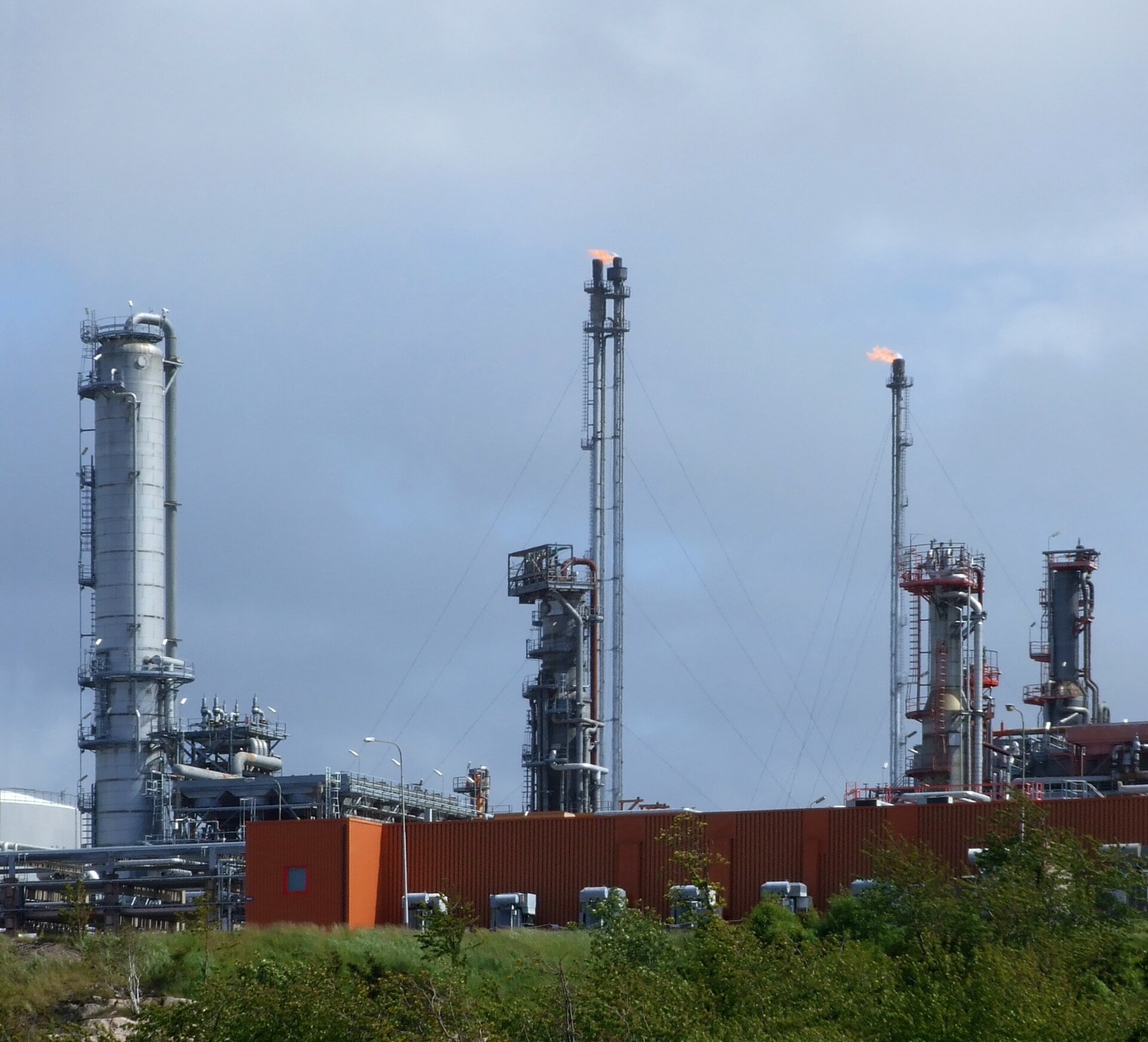
Petrol and diesel availability is assessed as good in both the short and long term. No disruptions have been reported in crude-oil deliveries to Sweden, and the country's refineries are operating at normal capacity. Production of aviation fuel has also increased in recent months.
Electricity, heating and cooling supplies are described as stable. The assessment for gas is also unchanged: Swedish gas production and imports from Denmark are functioning normally, while short-term physical supplies of both liquefied natural gas and natural gas are considered good.
Aviation fuel remains the area with the greatest uncertainty. Sweden and Europe depend more heavily on imports of aviation fuel than on other fuels, making that market more exposed to global disruption and price movements.
Even so, deliveries to Sweden are expected to operate normally for at least the coming month. The agency therefore considers the risk of an aviation-fuel shortage during the holiday period to be low. Competition for available volumes could increase if disruption to world markets continues for a long time.
Sweden has issued an early warning for a possible aviation-fuel shortage as a precaution. The agency stresses that there is no current shortage and that the warning does not trigger additional measures at this stage.
The government has authorised the Energy Agency to release fuel stocks if that becomes necessary, but no such release has taken place.
The agency is continuing to monitor the situation with the Government Offices, other authorities, international organisations and industry. Its next assessment may change if developments around the Strait of Hormuz affect international supply routes or markets more severely.

DailySweden
DailySweden's desk of editors, reporters, researchers and investigative journalists. We bring readers factual, truthful and objective reporting on the issues that matter to them.
Contact the editorial desk ›