
Sweden orders review of generative AI risks for children
The Public Health Agency must compile the evidence and produce guidance on how generative AI may affect young people's mental health and wellbeing.
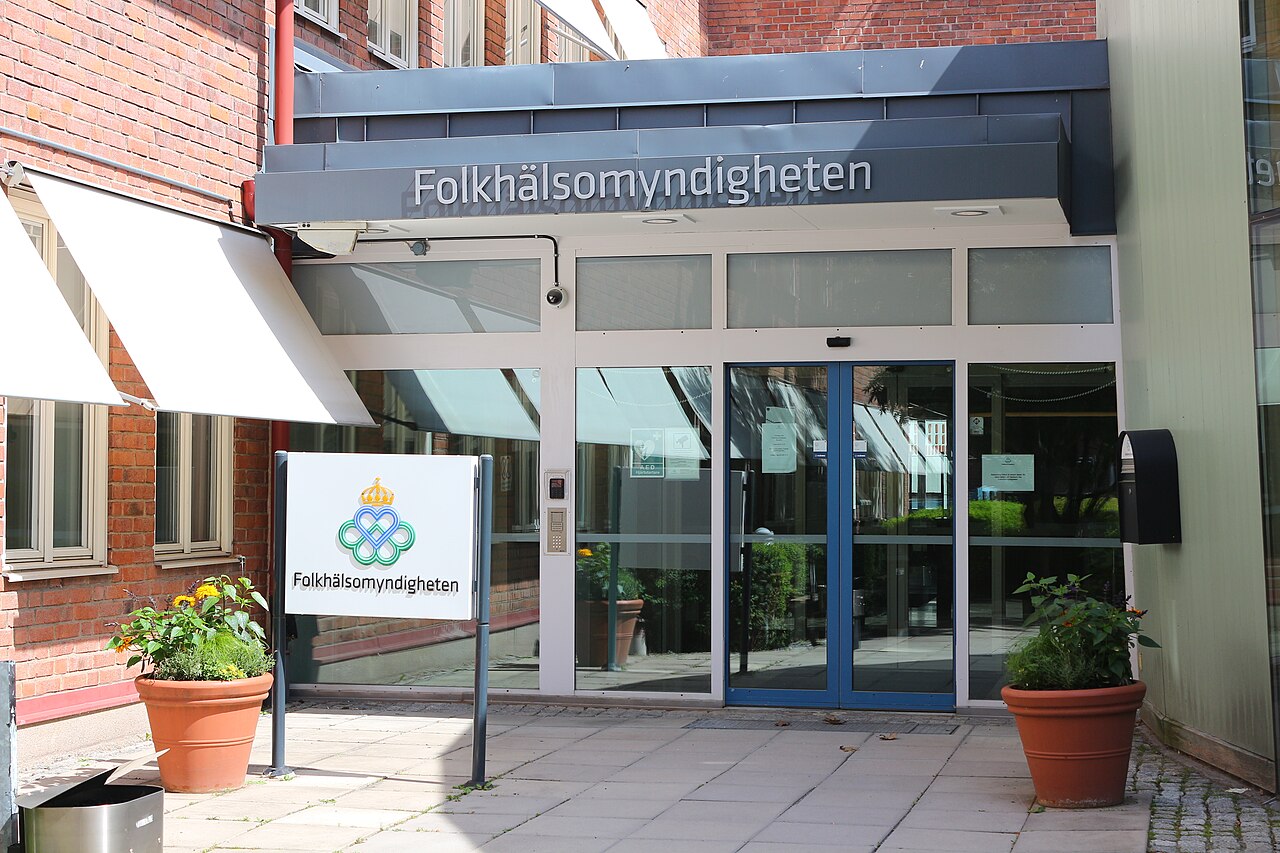
Sweden's government has asked the Public Health Agency to investigate risks associated with children's and young people's use of generative artificial intelligence. The formal assignment, published on 10 July, requires the agency to compile the available knowledge about possible effects on mental health and wellbeing and turn that work into guidance and recommendations.
The order is a research and guidance task, not a finding that generative AI has already been proved to cause a particular harm. The agency must assess the evidence, identify what can responsibly be recommended and, where appropriate, propose additional measures. That distinction matters because many AI products are being adopted faster than long-term evidence about their use by children can be assembled.
The accompanying government announcement points to both the scale of use and a range of reported concerns. Citing the Internet Foundation's 2025 survey, the government says more than half of people aged 8 to 19 use AI tools. It also attributes potential risks to the way generative systems can produce misleading material, encourage unhealthy use patterns or expose young users to unsuitable content. Those concerns are the subject of the review rather than settled conclusions in the assignment itself.
The first deadline is 1 June 2027. By then, the Public Health Agency must deliver its knowledge review together with guidance and recommendations to the Government Offices. A final report is due on 15 November 2027 and must describe how the resulting material was communicated, assess whether more action is needed and include proposals if the agency believes further measures are warranted.
The timetable means there is no immediate new restriction for families, schools or technology companies in this decision. Instead, it starts a process that could influence later public-health advice or policy. Any recommendation will need to distinguish between different uses, ages and kinds of product if the underlying evidence supports such distinctions.
For parents and professionals working with children, the practical outcome will come later, when the agency publishes its guidance. Until then, the assignment's most concrete effect is to place responsibility for a national evidence review with Sweden's public-health authority and to set dates by which its conclusions must be made available to government.

DailySweden
DailySweden's desk of editors, reporters, researchers and investigative journalists. We bring readers factual, truthful and objective reporting on the issues that matter to them.
Contact the editorial desk ›