
Sweden funds new projects to cut Baltic Sea nutrient pollution
Pilot schemes and regional programmes will tackle phosphorus and nitrogen leakage from inland sources to coastal waters.
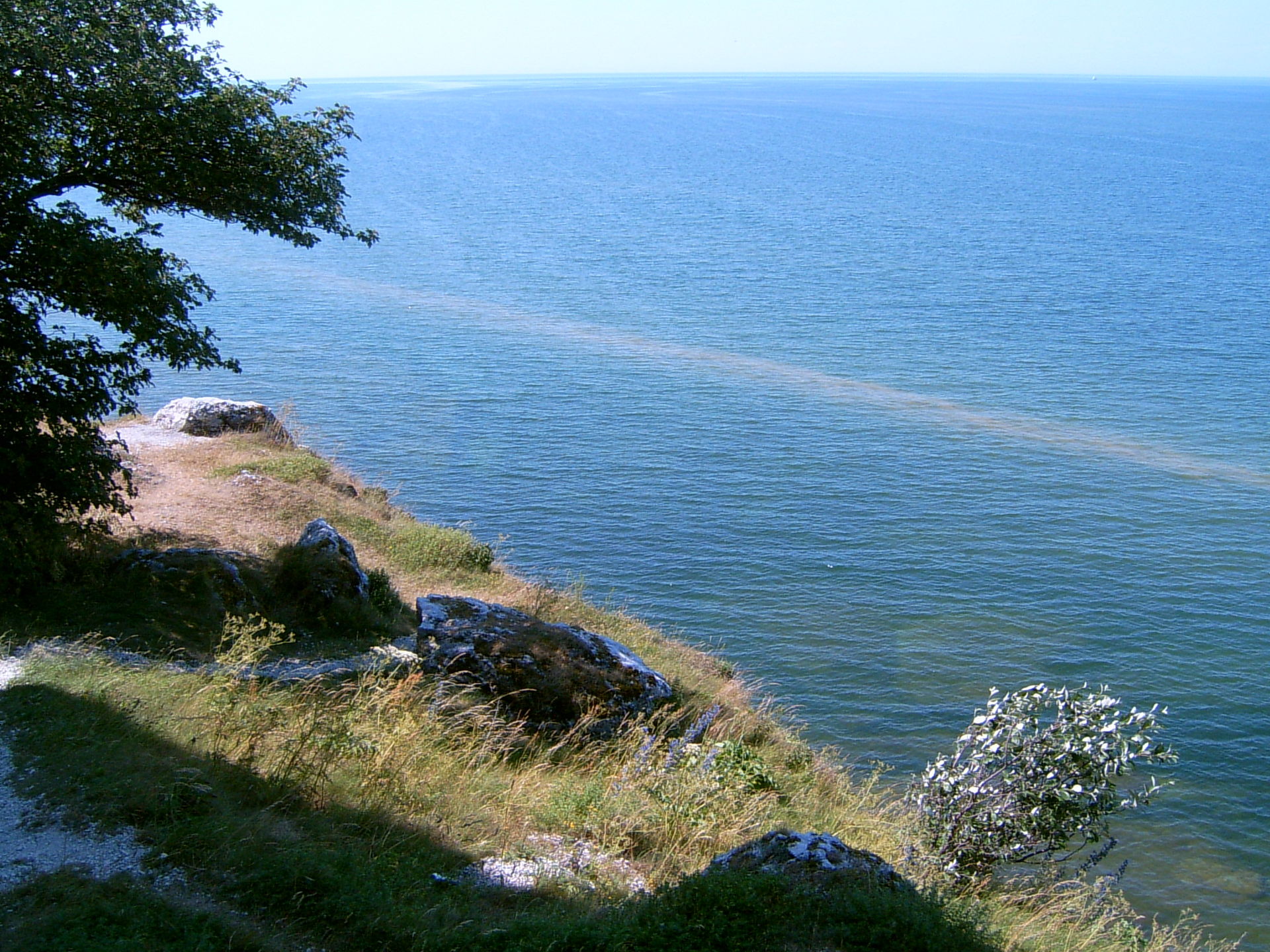
Sweden is expanding efforts to reduce eutrophication in the Baltic Sea through pilot projects, regional action plans and targeted funding for 15 county administrative boards.
The Swedish Agency for Marine and Water Management says the programme is designed to reduce the flow of phosphorus and nitrogen from land, rivers and drainage areas into coastal waters. Excess nutrients contribute to algal blooms, oxygen-depleted seabeds and damage to fish, bottom-dwelling animals and biodiversity.
Stockholm County will receive SEK 28 million over four years for three projects addressing internal loading in the archipelago. Internal loading occurs when nutrients accumulated in seabed sediments continue leaking into the water.
The projects will carry out environmental measures and study ways to reduce releases of phosphorus and nitrogen while restoring ecosystem services in valuable coastal areas.
Östergötland County will receive SEK 20 million over three years to pump oxygen into Slätbaken bay. The bay suffers from severe internal loading, and oxygenation is intended to reduce nutrient releases from sediment and improve conditions for fish and bottom-living organisms.
Action plans are also being prepared for parts of the Norrström, Motala Ström and Helge å catchments. County authorities in Stockholm and Östergötland and the biosphere office in Kristianstad will lead work with local and regional partners.
The plans are intended to coordinate measures across entire drainage areas, reduce algal blooms and improve oxygen conditions at sea.
A further SEK 37 million will be distributed between 2026 and 2028 to develop sub-programmes in 15 southern counties. The funding covers the preparation of programmes, training and guidance, and support for putting measures into practice.
The participating counties are Skåne, Halland, Västra Götaland, Värmland, Uppsala, Västmanland, Södermanland, Örebro, Stockholm, Östergötland, Jönköping, Kronoberg, Kalmar, Blekinge and Dalarna.
The programmes will address nutrient leakage from agriculture, forestry and urban areas, alongside related problems including flooding and water shortages. Additional local and regional programmes will focus on the Östergötland coast, Hanö Bay and the Bornholm Sea in Skåne, and the Halland coast.
The agency describes eutrophication as one of the largest pressures on Swedish coastal and marine environments. Its approach follows pollution from its inland source to the sea, bringing together measures on farms, in forests, around private wastewater systems and along the coast.

DailySweden
DailySweden's desk of editors, reporters, researchers and investigative journalists. We bring readers factual, truthful and objective reporting on the issues that matter to them.
Contact the editorial desk ›